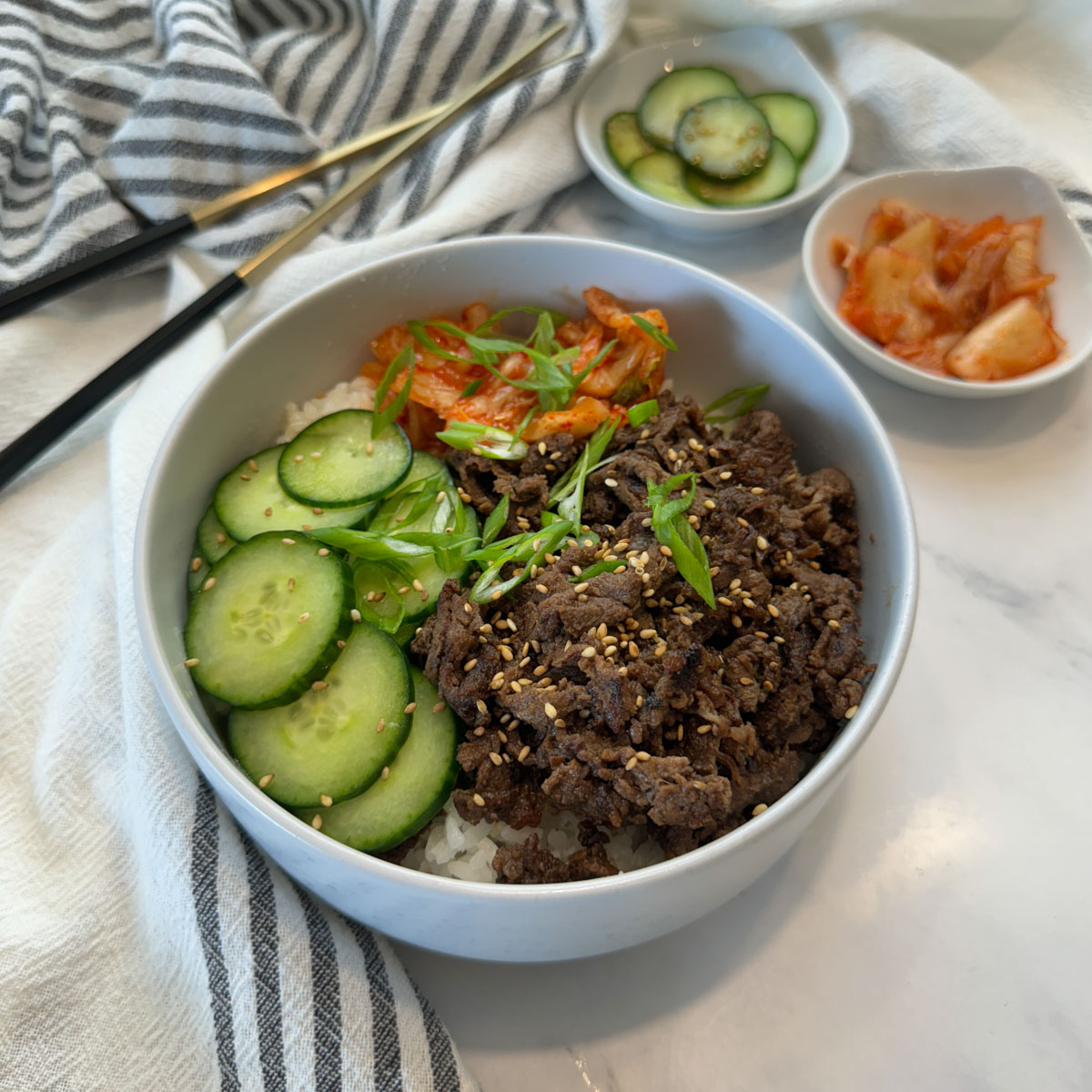
Korean cuisine has captivated palates worldwide, and at the heart of its irresistible charm lies the incredible versatility and rich flavors of its beef dishes. From the iconic sizzle of Korean BBQ to the comforting embrace of hearty soups, Korean beef offers an unparalleled culinary journey. If you're looking to explore the most delicious Korean beef recipes, you're in for a treat that promises both traditional authenticity and modern convenience.
The Iconic Duo: Bulgogi & Kalbi – Masterpieces of Korean BBQ
No discussion of Korean beef is complete without spotlighting two of its most celebrated stars: Bulgogi and Kalbi. These dishes have become synonymous with Korean BBQ for good reason, offering a perfect balance of sweet, savory, and umami flavors that keep diners coming back for more.
Bulgogi: The "Fire Meat" Everyone Loves
Bulgogi, literally meaning "fire meat," is perhaps the most famous Korean beef preparation. It consists of thinly sliced beef, typically ribeye, sirloin, or tenderloin, marinated in a delectable blend of soy sauce, sugar (or honey), sesame oil, garlic, ginger, pear or apple puree, and sometimes a touch of mirin or rice wine. This marinade not only infuses the beef with its signature sweet and savory profile but also tenderizes it beautifully.
The beauty of an authentic Bulgogi korean beef recipe lies in its simplicity and the depth of flavor it achieves. For decades, traditional recipes have passed down the joy of creating this dish, ensuring each bite is as delicious as the last. When selecting beef for Bulgogi, look for well-marbled cuts that are thinly sliced against the grain to ensure maximum tenderness and absorbency of the marinade. While grilling over charcoal imparts a smoky char that is quintessential to Korean BBQ, Bulgogi can also be stir-fried in a pan or cooked on a griddle, making it accessible for home cooks regardless of equipment. Serve it wrapped in fresh lettuce leaves with a dollop of ssamjang (spicy dipping sauce), alongside rice and various banchan (side dishes) for a truly immersive experience.
Kalbi (Galbi): The King of Short Ribs
Kalbi, also known as Galbi, refers to grilled marinated beef short ribs. This dish takes the concept of Korean BBQ to another level with its rich, succulent meat clinging to the bone, bursting with flavor. The preparation of a traditional Kalbi korean beef recipe is surprisingly straightforward, especially with modern kitchen tools.
Unlike some marinades that require meticulous chopping, the secret to a great Kalbi marinade often involves a blender. By tossing ingredients like soy sauce, garlic, ginger, sugar, sesame oil, and plenty of fruit puree (pear or apple are common for their natural tenderizing enzymes) into a blender, you can create a smooth, potent marinade with minimal effort. The key to authentic Kalbi lies in the cut of the beef; "LA Galbi" refers to the flanken-style cut, where ribs are sliced thin across the bone, allowing for faster marinating and cooking. Alternatively, bone-in short ribs can be butterflied to increase surface area. Marinating for at least 6-8 hours, or ideally overnight, allows the flavors to penetrate deeply and the meat to tenderize optimally. Grilling over an open flame is the preferred method, yielding those irresistible caramelized edges and smoky char that define Korean short ribs.
Savoring Comfort: A Deep Dive into Korean Beef Soups & Stews
Beyond the sizzle of the grill, Korean cuisine offers an incredible array of beef-based soups and stews that provide warmth, nourishment, and a profound sense of comfort. These dishes often feature slow-cooked beef, rich broths, and a harmonious blend of vegetables and spices, making them ideal for any season.
Doenjang Jjigae with Kalbi Bones: A Flavorful Second Act
One of the most ingenious ways to extend the enjoyment of your Korean beef experience is to transform leftover Kalbi bones into a phenomenal doenjang jjigae (soybean paste stew). After grilling Kalbi, the marinated bones, often discarded, are a treasure trove of flavor. Simmering them forms the base for a incredibly rich, umami-packed broth that elevates this classic Korean stew.
Doenjang Jjigae is a staple in Korean households, characterized by its savory, earthy notes from fermented soybean paste (doenjang). When prepared with Kalbi bones, the stew gains an unparalleled depth. Along with the bones, common additions include tofu, zucchini, mushrooms, onions, and often a touch of chili for a gentle warmth. This clever korean beef recipe not only prevents waste but also results in a uniquely delicious and comforting meal that tastes even better on a chilly evening.
Yukgaejang: The Spicy, Hearty Elixir
For those who crave a fiery kick, Yukgaejang is the ultimate spicy, hearty beef soup. This robust dish is beloved for its vibrant red broth and generous amounts of shredded beef, green onions, and *kongnamul* (bean sprouts). It’s a classic comfort food for many Koreans, known for its ability to warm you from the inside out and evoke a sense of home.
Typically made with beef brisket or shank, the meat is slow-simmered until tender enough to be easily shredded. The signature spiciness comes from *gochugaru* (Korean chili flakes), balanced by garlic, soy sauce, and sesame oil. The addition of fernbrake (*gosari*) and sometimes taro stems adds unique textures and flavors. While traditionally prepared on the stovetop over an extended period, modern adaptations, including stovetop versions that capture the authentic taste, make this complex korean beef recipe more accessible for home cooks looking for that deep, restaurant-quality flavor.
Galbitang: A Clear Broth of Pure Comfort
In contrast to the spicy Yukgaejang, Galbitang offers a soothing, clear beef short rib soup that is equally cherished. This dish is celebrated for its clean, rich broth and tender short ribs, often simmered with radish, which imparts a subtle sweetness and lightness to the hearty soup. The aroma of Galbitang simmering fills the kitchen, promising a delicious and comforting meal.
Galbitang is traditionally prepared by slow-boiling beef short ribs for hours, allowing the natural flavors of the beef to infuse the broth. The addition of radish not only sweetens but also helps to clarify the soup, resulting in a beautiful, translucent broth that is incredibly flavorful yet not heavy. Often served with glass noodles, thinly sliced egg garnish, and sometimes jujubes or ginkgo nuts, this korean beef recipe is a testament to the power of simple, high-quality ingredients cooked with care. It’s a perfect option when you desire a deeply satisfying beef soup without the spice.
Beyond the Grill: Versatile Korean Beef for Every Occasion
Korean beef cuisine extends far beyond grilling and traditional soups, offering delightful options for various meals, from quick weeknight dinners to special side dishes.
Korean Ground Beef: The Weeknight Wonder
For those evenings when time is short but flavor is non-negotiable, an easy Korean ground beef recipe is an absolute lifesaver. This dish has gained immense popularity for its rapid preparation, budget-friendliness, and that irresistible sweet-and-savory profile characteristic of Korean-inspired cooking. It's the kind of meal that can rescue you from a culinary rut, offering a delightful twist when you're tired of typical ground beef preparations like casseroles or tacos.
Typically made with ingredients you likely already have in your pantry—ground beef, soy sauce, brown sugar, garlic, ginger, and sesame oil—this dish comes together in minutes. It’s incredibly versatile, perfect served over rice, in lettuce wraps, or even as a flavorful topping for noodles. Plus, it freezes beautifully, making it an excellent option for meal prepping and ensuring a delicious quick & easy Korean beef dinner is always within reach.
Korean Hotpot (Jeongol): A Communal Feast
As the weather cools, there's nothing quite as inviting as a Korean hotpot, or Jeongol. This communal one-pot meal is a symphony of flavors and textures, featuring thinly sliced Bulgogi beef, an assortment of fresh mushrooms, various vegetables, and slippery glass noodles, all simmering in a savory, umami-rich broth. The thought alone is enough to make mouths water.
Jeongol is designed for sharing, allowing diners to cook ingredients at the table and enjoy the evolving flavors of the broth. Different types of Jeongol exist, but the beef-centric versions are particularly popular, offering a delightful and interactive dining experience that warms both body and soul. It’s a perfect korean beef recipe for gatherings, providing both sustenance and entertainment.
Wanja Jeon & Kkaennip Jeon: Flavorful Sidekicks
For those looking to explore more intricate Korean beef preparations, Wanja Jeon (pan-fried beef patties or meatballs) and Kkaennip Jeon (perilla leaves stuffed with seasoned beef and pan-fried) are fantastic choices. These 'jeons' (pan-fried battered foods) are beloved as side dishes or even additions to lunchboxes because they retain their amazing flavor and texture even at room temperature, a rarity among fried foods.
While they might require a little more effort than a quick stir-fry, the payoff is immense. Wanja Jeon offers savory, tender beef patties, while Kkaennip Jeon provides a unique aromatic twist with the fragrant perilla leaves encasing the seasoned beef. Once a batch is made, these flavorful bites can enhance any meal or snack, showcasing the thoughtful culinary artistry in Korean cuisine.
Mastering Korean Beef at Home: Tips for Success
- Quality Beef Matters: Start with fresh, high-quality beef. For BBQ, look for good marbling. For soups, cuts like brisket or short ribs benefit from slow cooking.
- Marination is Key: Don't rush the marination process, especially for Bulgogi and Kalbi. Overnight marination often yields the best results, allowing flavors to fully permeate the meat and tenderize it.
- Balance Flavors: Korean beef marinades often play with sweet, savory, salty, and sometimes spicy notes. Taste your marinade before adding the beef and adjust to your preference. Pear or apple puree is crucial for tenderizing and adding natural sweetness.
- Cooking Temperatures: For grilled items like Bulgogi and Kalbi, a hot grill or pan ensures a good sear and caramelization without overcooking the thin slices of meat. For soups, low and slow simmering extracts maximum flavor and tenderness.
- Serve with Sides: Korean beef dishes are rarely eaten alone. Pair them with steamed rice, various banchan (kimchi, pickled radish, seasoned vegetables), and fresh lettuce for wrapping.
From the sizzling grill to the comforting embrace of a hearty stew, Korean beef cuisine offers an incredible spectrum of flavors and textures. Whether you're a seasoned chef or a curious home cook, exploring an authentic korean beef recipe promises a rewarding culinary adventure. Dive into the world of Bulgogi, Kalbi, and these soul-warming soups, and discover why Korean beef has captured the hearts (and stomachs) of food lovers around the globe.
